




In the 1970s the Sahel, a semi-arid region on the southern margin of the Sahara desert, experienced crippling drought that led to extreme dry conditions which caused widespread famine. This led to a period of intense scientific investigation as researchers attempted to explain the causes of the drastic decrease in rainfall which had dropped by 30% compared to the 1950s.
As the scientific spotlight turned on the causes of the drought a debate emerged between proponents of local and global factors.
The local hypothesis, rooted in the work of renowned American meteorologist Jule Charney, suggests that human-induced land degradation – such as overgrazing and deforestation – caused a “biogeophysical feedback”. This implies a direct correlation between human-induced land degradation at a local scale and the reduction in precipitation and vegetation, locking the region into a cycle of desertification.
In contrast, the global hypothesis points to changes in ocean temperatures as the primary driver of change in the region. Capitalizing on improvements in climate modeling that enable the simulation of long-term shift – such as those that occurred between the wet 1950s and 60s and the dry 1970s and 80s – Giannini’s own research demonstrates that although these two theories are in some ways complementary, it is also certain that drought in the Sahel was due to something bigger than just land management in the Sahel.
“While it’s true that we have daily experiences of climate, there are elements of climate science that go beyond our senses and happen at a scale that we cannot comprehend,” says Giannini, when speaking during the CMCC lecture series’ talk titled Late 20th Century Sahel Drought: An Obvious Candidate for Attribution. ““What explains drought in the Sahel is something bigger than the Sahel. It encompasses a larger spatial and temporal scale, a scale that involves the oceans as the main driver of the climate in this region.”
Using climate models forced only with observed sea surface temperatures Giannini’s research is able to reproduce the wet and dry epochs experienced in the Sahel, underscoring the dominant influence of global tropical oceans and North Atlantic variability rather than local land management.
From causes to responsibilities
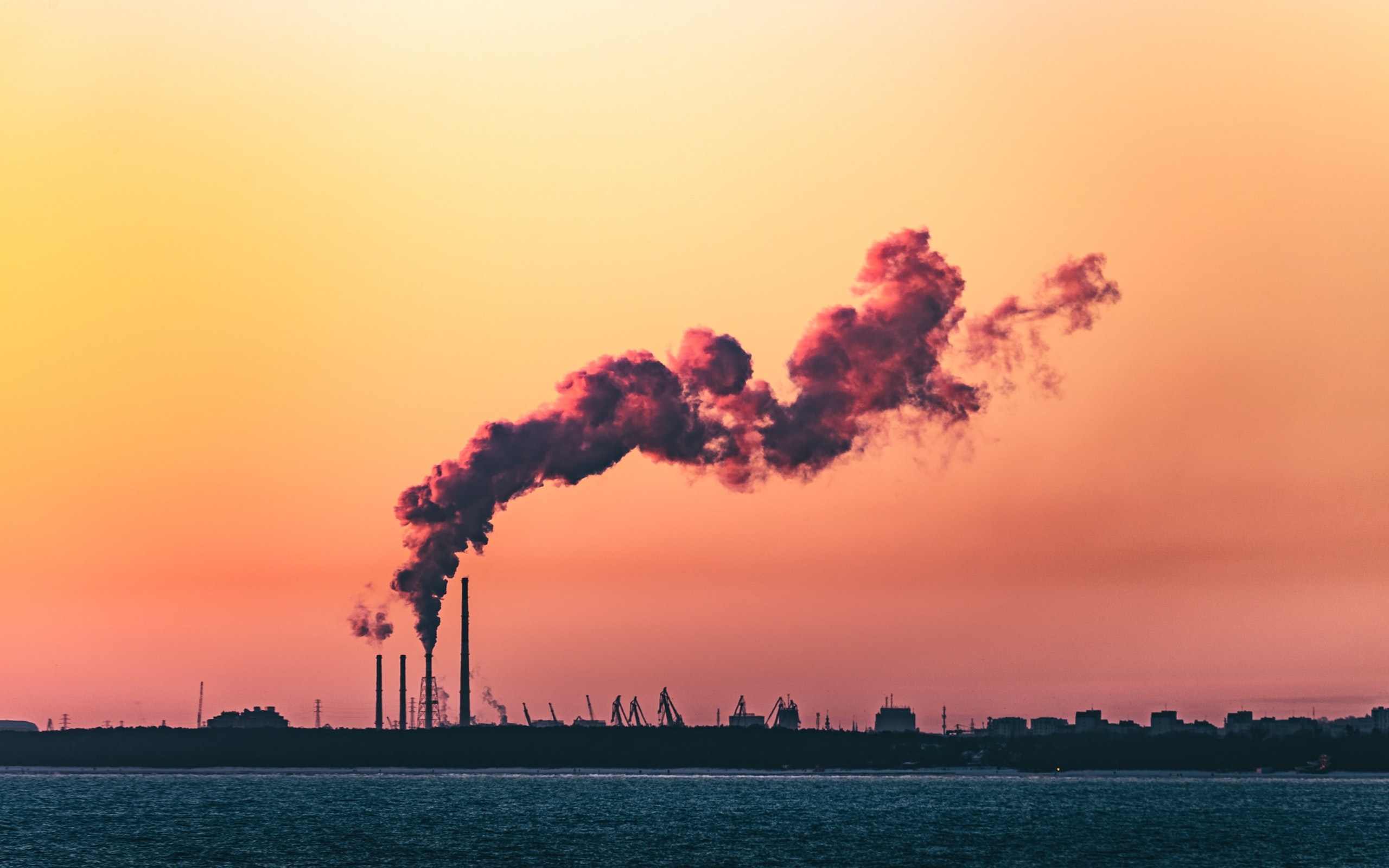
Attributing causes to the Sahel drought doesn’t stop here but rather requires a two-step process: firstly one must consider the oceans and sea surface temperatures that caused the droughts of the 1970s and 80s. Then, these changes in sea surface temperatures need to be attributed to a cause, which in this case is believed to be the influence of anthropogenic emissions including sulfate aerosols, a byproduct of coal production, and other greenhouse gases.
The implications of these conclusions are profound, moving us away from an idea of the Sahel as equating to drought and desertification caused by local populations and their activities, to one of a region that is a victim of climate change driven primarily by industrial activities in the Global North.
“What all these elements bring to the discussion is that we northerners have misread the environment and misread why vegetation cover has a spatial side to it,” says Giannini. “The question is: Are we imposing our way of reading and interpreting the environment and environmental change?”
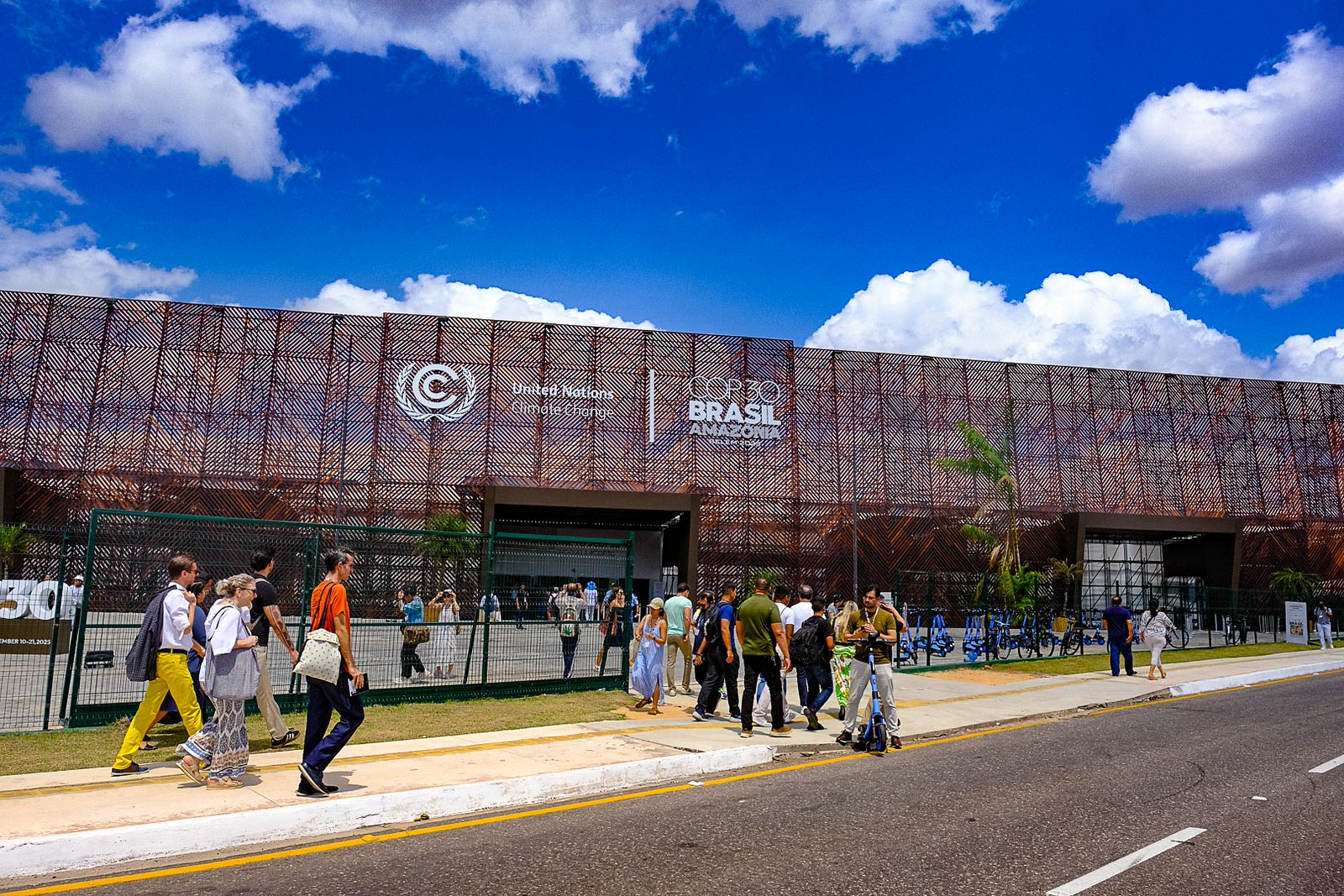
Furthermore, Sahel drought attribution also has profound implications for climate negotiations, as it touches on key issues of adaptation, energy transition and retribution.
Beyond drought: Regreening and local agency
Recent decades have seen a partial recovery in Sahel rainfall and vegetation – a phenomenon referred to as “regreening”. The recovery is attributed to changes in anthropogenic emissions, as legislation in the Global North has led to a significant reduction in sulfate aerosols and reduced pollution. However, these changes do not give the full picture as the Sahel has experienced regreening in excess of what could be expected from these changes, with vegetation recovering more than can be expected considering the amount of renewed rainfall.
“This could be explained in terms of how the local population reacted to the idea that they had been causing drought and desertification. The way that they did that was to go back to their own knowledge of land use management,” says Giannini. “In doing so they facilitated the recovery of vegetation coverage.”
The rise in regreening therefore points to the central importance of local knowledge for adaptation, which can manifest itself in a variety of forms including agroforestry, agroecology, climate-smart agriculture, and soil and water conservation.
“One way of looking at adaptation is going back to look at what the response to drought and desertification was and assess the extent to which these techniques based on local knowledge can actually be helpful to adapt to what is now manifesting itself as a more variable and energetic water cycle with more extreme events in precipitation and flooding but also in dry spells,” says Giannini.
Building resilience will require integrating scientific insights with local practices and knowledge, moving beyond imposed narratives to support adaptation on the ground. For this to happen effectively the first step lies in a science based understanding of the causes of the changes as this enables responsibility taking, agency and adaptation.
“What has been interesting for me over these 20 years has been the climate science but also trying to see more broadly […] the importance of local knowledge in adapting to what people thought were drought and desertification and now is manifesting more and more as climatic change,” concludes Giannini.
The CMCC Lectures series offers influential scientists a dynamic platform where they can share groundbreaking research through meaningful conversations with peers and the broader scientific community.