


Forests

Forest and horizon

COP30 | Carlo Carraro: A new climate finance model to reward those who protect tropical forests

According to the economist and climate scientist, TFFF might mark a pivotal moment in climate policies. “This is a turning point: for the first time, the Global South is leading a major climate finance initiative, which increases its legitimacy and political relevance.” Carlo Carraro highlights that the fund “reverses the economic logic that has historically favored clearing trees for agriculture and timber,” and comments on the role of the World Bank to ensure transparency, accountability, and investor confidence.
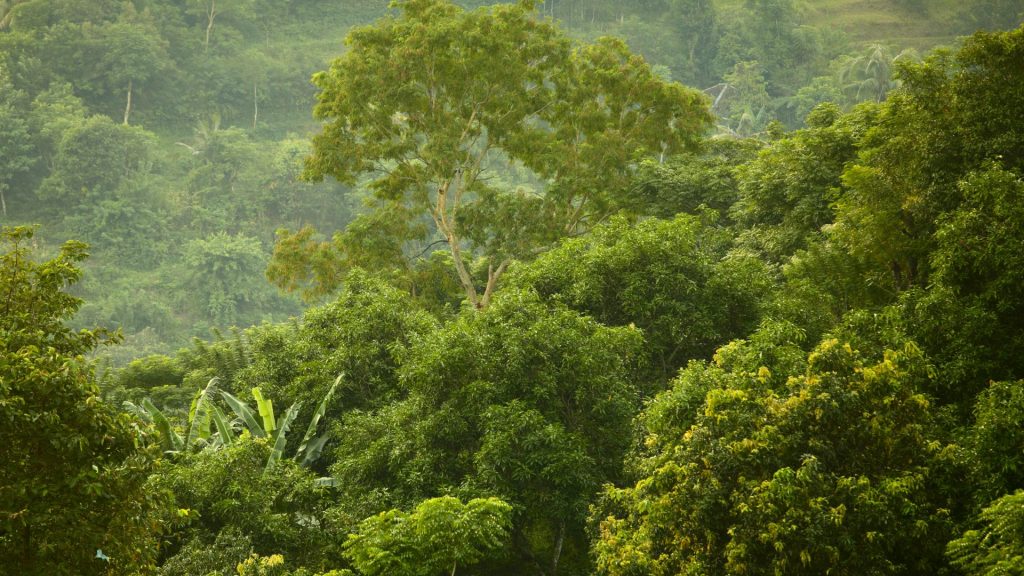
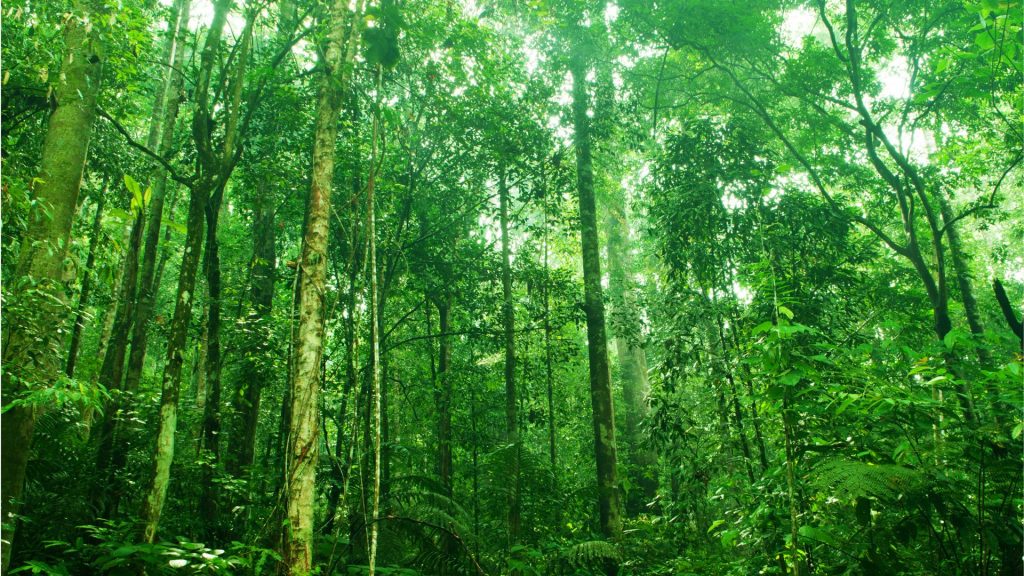
Tropical forest

COP30 | Riccardo Valentini: Forests, from carbon sinks to engines of a Green Economy

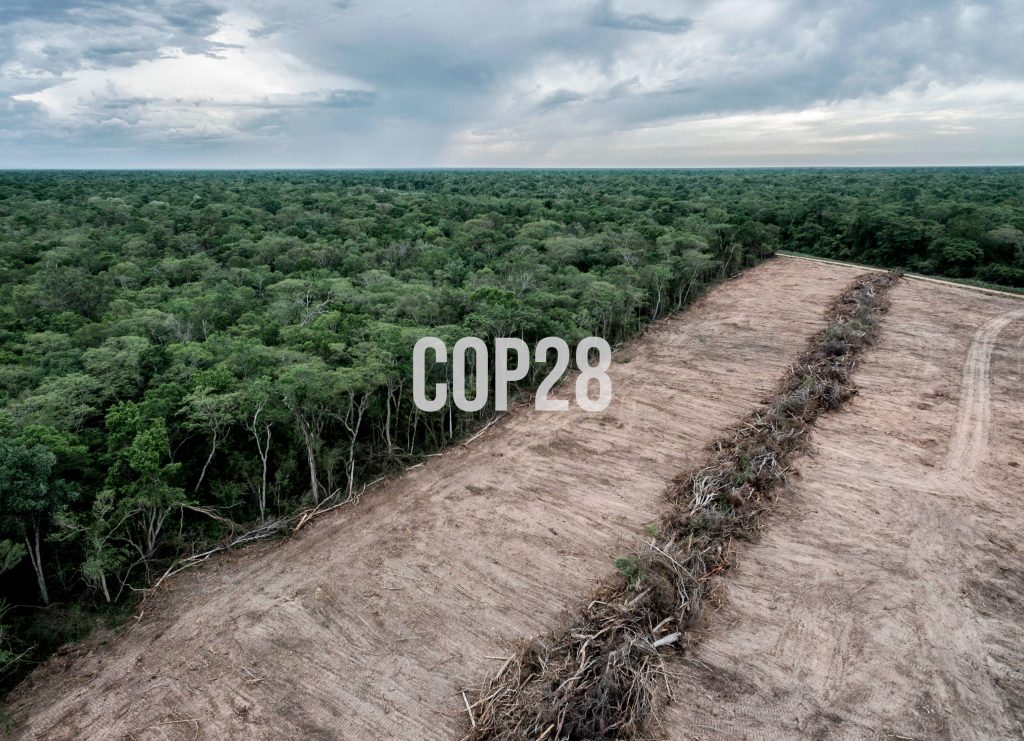
As COP30 opens in Brazil, attention turns once again to the world’s forests – not only as carbon sinks, but as living systems vital for the planet’s health and for sustainable development. According to IPCC author and forest ecology expert Prof. Riccardo Valentini, stopping deforestation is no longer enough – we need a new global paradigm for more sustainable forest management, agriculture, and land use. “Tropical Forests Forever Facility (TFFF) could open a new phase for the green economy, linking forest protection with real economic returns through carbon markets and sustainable business investments,” he says. “But without political will, it risks becoming another empty pledge.”

A forest

COP30 | Manuela Balzarolo: Forests, satellite data, and TFFF on the way to reaching climate goals

“To track progress toward the Paris Agreement and the implementation of effective policies, accurate estimates of carbon sinks and sources are fundamental,” says Manuela Balzarolo, scientific leader of the EU’s flagship carbon cycle project, as she explains why accurate data on the carbon cycle is the key to successful climate negotiations. Initiatives such as the Tropical Forests Forever Facility will require more information on ecosystems and the carbon cycle.

wildfire

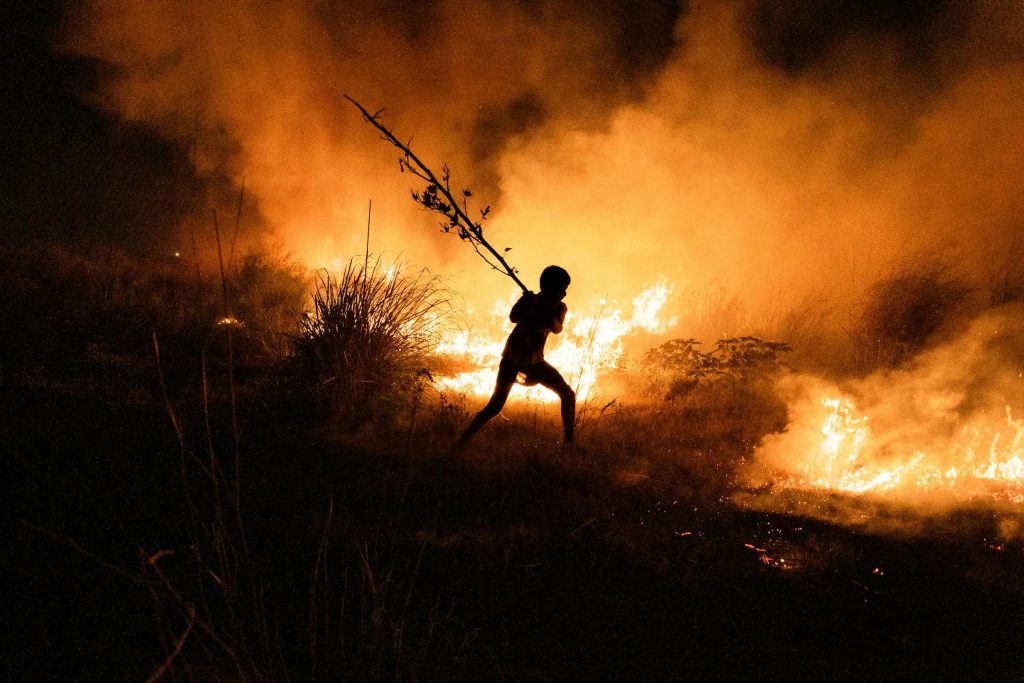
Putting out the blaze: Wildfire risk management begins well before fire season

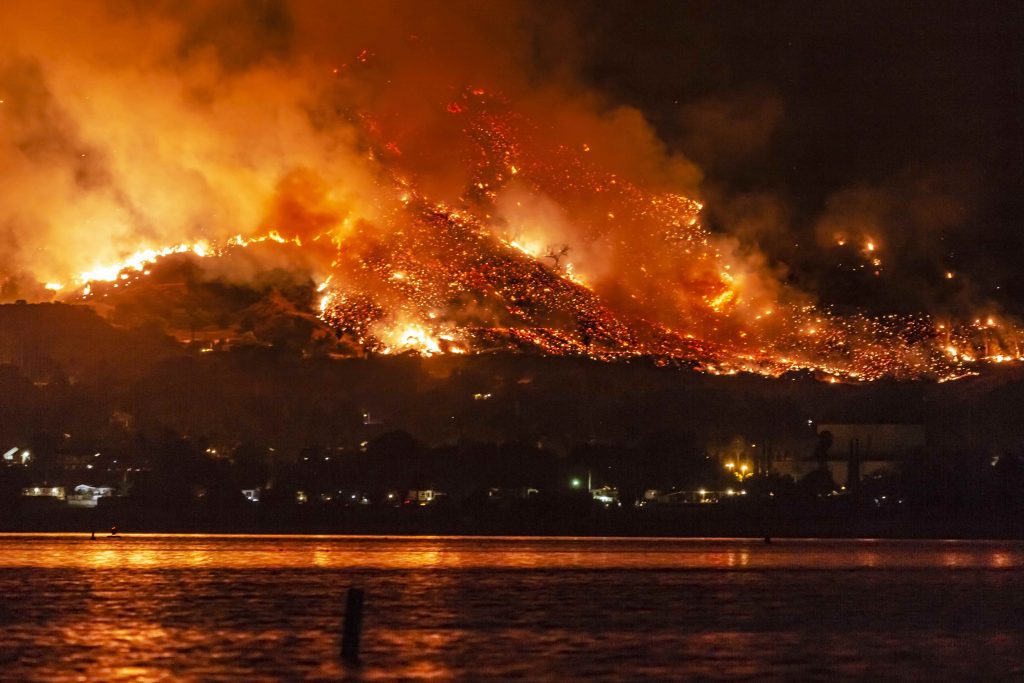
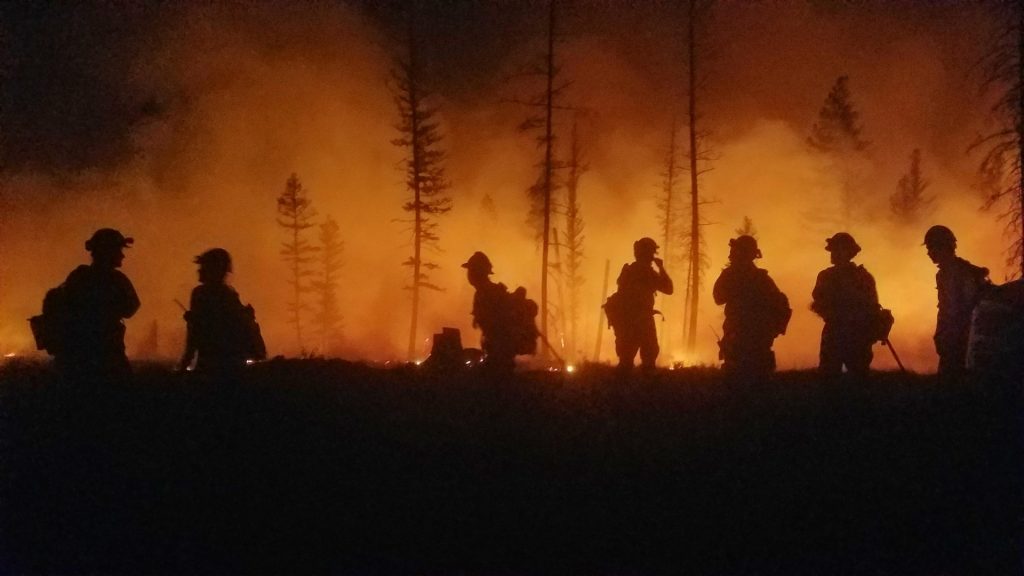
As of July 2025, almost 300,000 hectares of forest – an area larger than Luxembourg – has gone up in flames in Europe. What is more, the number of wildfire events could increase by 50% globally by the end of the century due to a combination of changes in climate and land use and management. These threats will tend to concentrate in hotspots such as the Mediterranean, where over 80% of European wildfires occur and which experienced upwards of 2.5 billion euros in wildfire related damages in 2022 alone.

COP29 Spotlight | Agriculture, forestry, and other land use

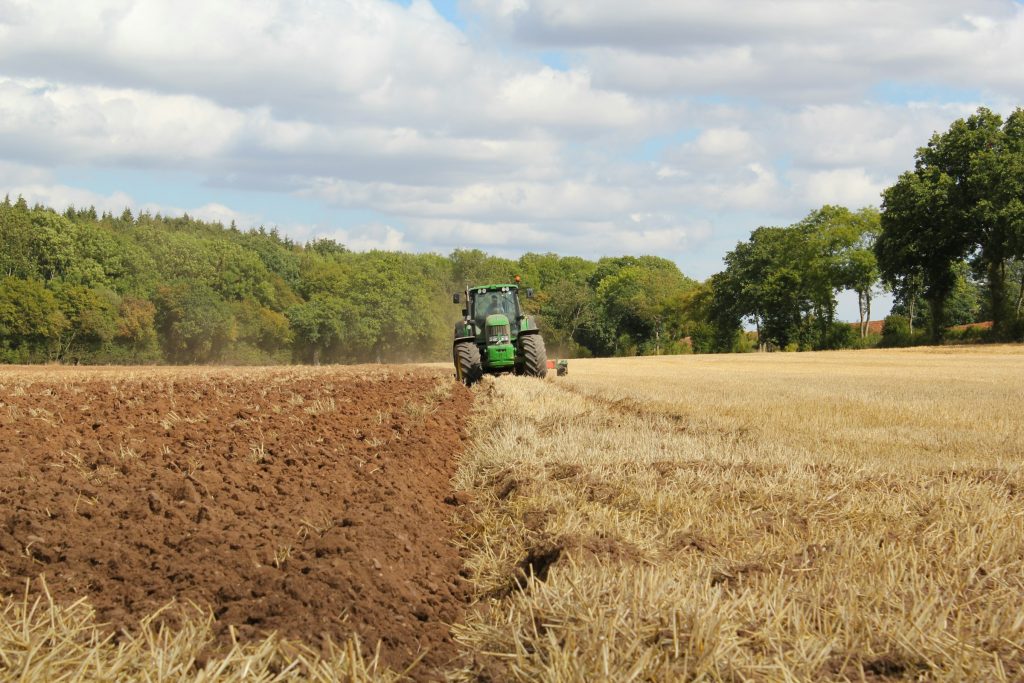
At COP29 the critical role of agriculture, forestry, and other land use (AFOLU) as both a catalyst and a provider of potential solutions to rising emissions is of significant importance. “COP29 must lay the groundwork for COP30 by prioritizing sustainable land-use strategies and ensuring stronger commitments to reducing emissions from land use,” says CMCC researcher and member of the Italian delegation to COP29 Matteo Bellotta.

wildfire_prevention

Fanning the flames of wildfire resilience

The frequency and intensity of wildfire events is on the rise due to a combination of climate and land use changes. However, the dominant approach to wildfire management, namely direct reaction and response, is starting to prove both ineffective and in some ways even contributing to megafire events. With researchers increasingly focusing on prevention and preparedness there are new solutions to creating resilient firewise communities.