



Climate Policy

Ocean waves (1878-1940) vintage Japanese woodcut prints by Uehara Konen

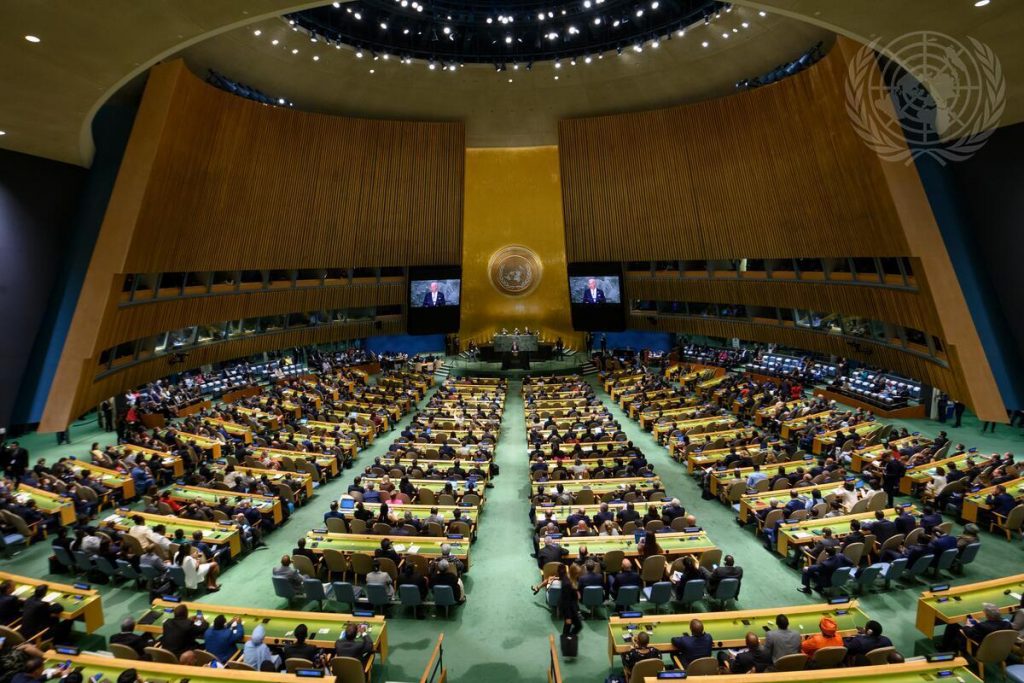
“A historic moment for the ocean” – international reactions to the new High Seas Treaty

Top ranking representatives of international institutions, opinion leaders, diplomats, scientists and civil society: from emotional reactions to pragmatic comments, the international community hails the Marine Biodiversity of Areas Beyond National Jurisdiction (BBJN) treaty. After almost two decades of negotiations, a two-week-long conference, more than 48 hours of talks, international efforts led to an agreement for the conservation and protection of ocean areas that fall beyond national borders.


Climate on trial – Ep. 07

The Urgenda case was the game changer. It opened up a new dialogue between human rights law and climate science, while it marked a watershed moment for climate justice: from then on, we saw new measures to protect people from the harms posed by climate change. From there, we start with the voices of those who experienced the Urgenda case on the front line.
We tell the story of climate litigation and why it is a crucial aspect of the future planet.

Power to the communities

Power to the communities – Ep. 06

Knowledge is power. It is the backbone of an alliance that spans the farthest corners of the planet to the laboratories of the most advanced scientific research. In this episode, we explore the terrain where science meets civil society that triggers climate action. With stories of people in the Global South where natural resources ‘are being used as a weapon’.

The climatization of finance

In our polycrisis era, the year 2023 will be decisive for the finance-nature-climate nexus. Three key upshots for net-zero law based on how policymakers (as recently Ursula von der Leyen in Davos) call financial institutions to mobilize behind future-proof pathways.

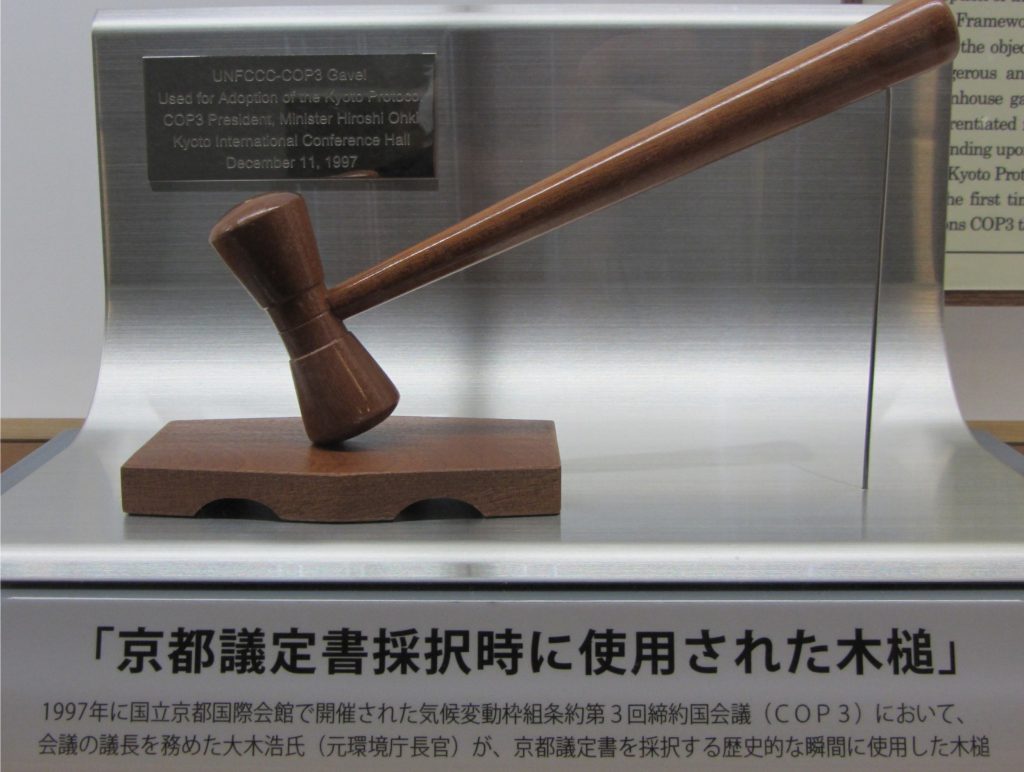
Success or failure? The Kyoto Protocol’s troubled legacy

Twenty-five years of hope and political negotiations, of science, data and denial campaigns to delay and even bury it. A look at the first iconic moment for global climate policy making: what remains of the Kyoto Protocol’s heritage and what lies ahead for international environmental agreements.

Yes, it was a success: All the merits of the Kyoto Protocol

 It all started 20 years ago when the signing of the protocol laid the foundation for climate negotiations. Now we consider it outdated, and some criticise it harshly, but it was the starting point of a process that continues to change the world. Nada Maamoun tells us about her research and the positive outcomes of the Kyoto Protocol.

No, it wasn’t successful: Failures and lessons from the Kyoto Protocol’s ashes

From overarching great consensus treaties to smaller agreements between countries, the future of international climate agreements has to learn from the failures of the Kyoto Protocol and its inability to stem the flow of greenhouse gas emissions. Ralph Winkler, international environmental cooperation expert, on the contradictions and opportunities of the agreement signed in 1997.

Kyoto_protocol

Kyoto Protocol

One of the first steps towards creating global climate diplomacy, the Kyoto Protocol laid the groundwork for today’s climate negotiations. From its innovative elements, to what it sought to achieve and how it worked, understanding the Kyoto Protocol is essential for a better understanding of the UNFCCC process.

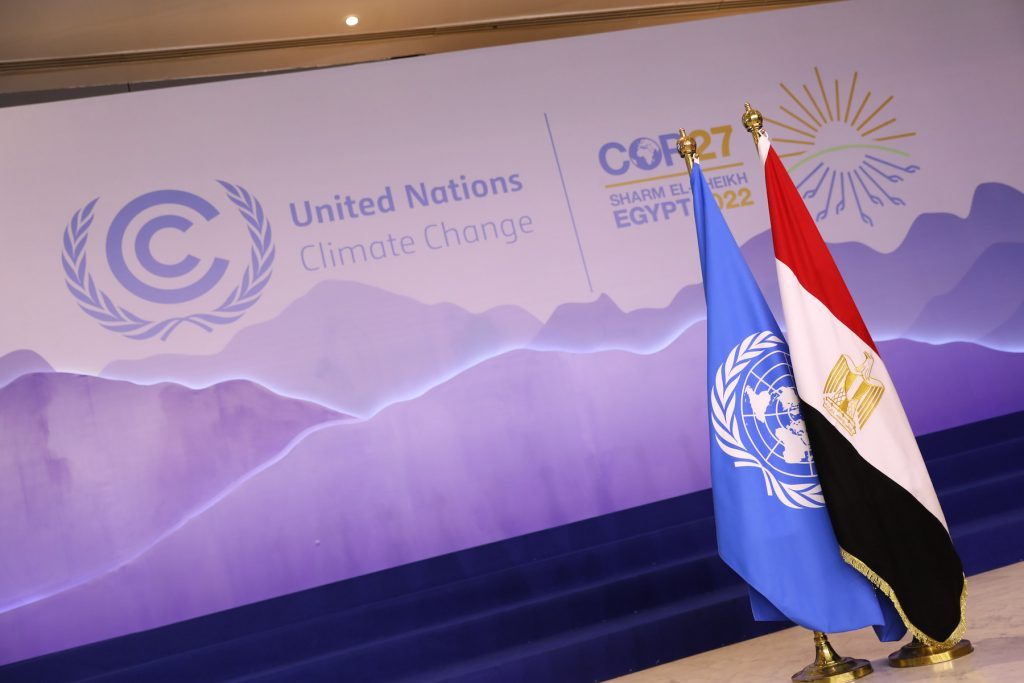
“The effects are greater than the cause.” Media reactions to COP27 outcomes

What a difference between the Global South and Developed Countries. In the COP27 aftermath, media analyses range from applause to disappointment, from those who call it a momentous decision to those that signal the use of ambiguous new language. Barbados and U.S., Brazil and EU passing through Pakistan, UK, India, China and South Africa, a collection of media coverage of the Sharm el-Sheikh Implementation Plan.

Teresa Anderson: Human rights and the long shadow of the climate crisis

Inequality. Injustice. Missed opportunities. Yet, there is still room for optimism. “The more we tell this story, the more the politicians will feel the heat”, global lead on climate justice Teresa Anderson explains why “climate is, at its core, a human rights issue” and what it will take to get a successful COP27 that lays the groundwork for lasting positive change.