


COP30

Understanding COP30: How climate negotiations change after Belém

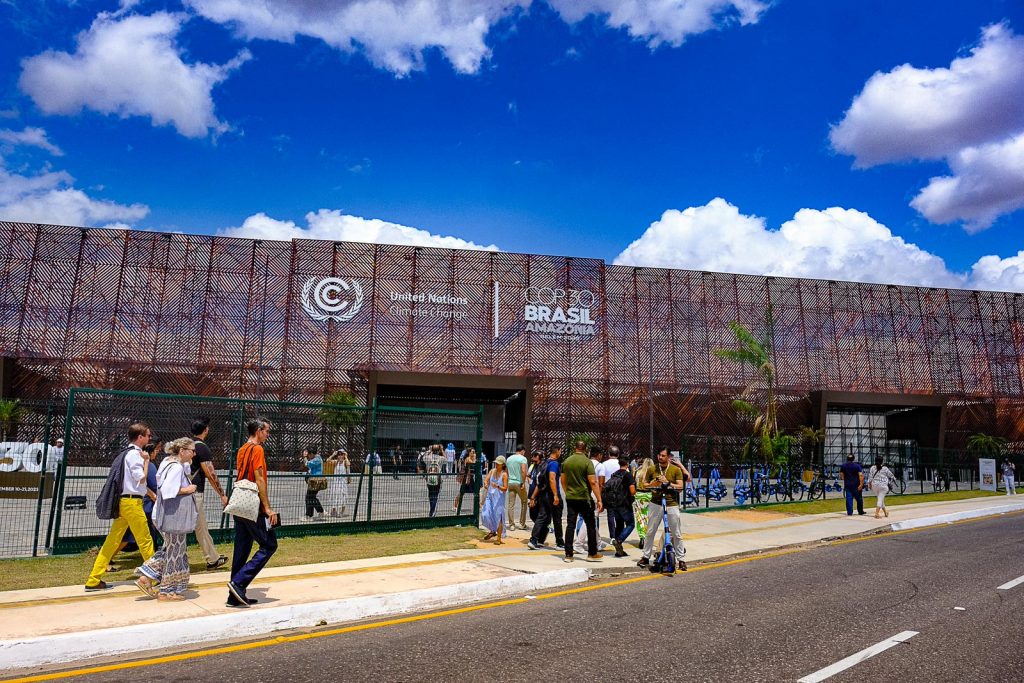
The climate conference in Brazil took place amid seesawing expectations on key issues in climate policy. In the end, the closing texts from COP30 include updates and decisions that will mark the next steps in the international negotiation process. The experts and scientists from the Italian delegation that participated in the negotiations unpack the outcomes of the Belém Conference, with in-depth insights and discussions on adaptation, finance, the Paris Agreement, the role of science, policy and society at large.

COP30 | From the Mediterranean to the global ocean. Coppini (CMCC): “We build coastal resilience by developing solutions and anticipating future scenarios”

At COP30, the Mediterranean emerges as a laboratory for climate resilience – where environmental, social, and technological innovation converge. The region, deeply affected by the climate crisis, is also a space of connection: between continents, communities, and knowledge systems. As the European Commission advances the new Pact for the Mediterranean, aiming to create a more connected, prosperous, and resilient region, CMCC research and initiatives showcased at COP30 highlight how science, governance, and people-centred approaches can drive this transformation.

Dasgupta_GGA

COP30 | Dasgupta (CMCC): Global Goal on Adaptation, the new frontier of adaptation policies between science and finance

COP30: Adaptation is one of the key themes with part of the negotiations revolving around measuring progress and the role of climate finance in future developments. “The Global Goal on Adaptation (GGA) is meant to serve as a unifying framework to drive political action and finance for adaptation on the same scale as mitigation,” says Shouro Dasgupta, CMCC researcher, member of the scientific support team for the Burkina Faso delegation at COP30, and one of the international experts working under the UAE–Belém work programme to develop and refine indicators that measure progress towards the GGA.

TFFF_Chiriacò_COP30

COP30 | Chiriacò (CMCC): Every tree saved is a tree earned, how science is helping protect forests at COP30

“Maintaining forests is the result of genuine effort, investment, and protection capacity,” says Maria Vincenza Chiriacò, CMCC researcher and an expert in COP negotiations on land use and Article 6 of the Paris Agreement, as she emphasises that forests should not be taken for granted: they require organised interventions which need to be addressed at COP30. “Global forests continue to face deforestation and degradation, mainly driven by climate change- and land-use-expanding commodity production. As climate change accelerates, the risk for regions already prone to extreme events such as wildfires increases dramatically. We have to optimize efforts and financial resources, and science holds the key to this process.”

Forest and horizon

COP30 | Carlo Carraro: A new climate finance model to reward those who protect tropical forests

According to the economist and climate scientist, TFFF might mark a pivotal moment in climate policies. “This is a turning point: for the first time, the Global South is leading a major climate finance initiative, which increases its legitimacy and political relevance.” Carlo Carraro highlights that the fund “reverses the economic logic that has historically favored clearing trees for agriculture and timber,” and comments on the role of the World Bank to ensure transparency, accountability, and investor confidence.

Tropical forest

COP30 | Riccardo Valentini: Forests, from carbon sinks to engines of a Green Economy

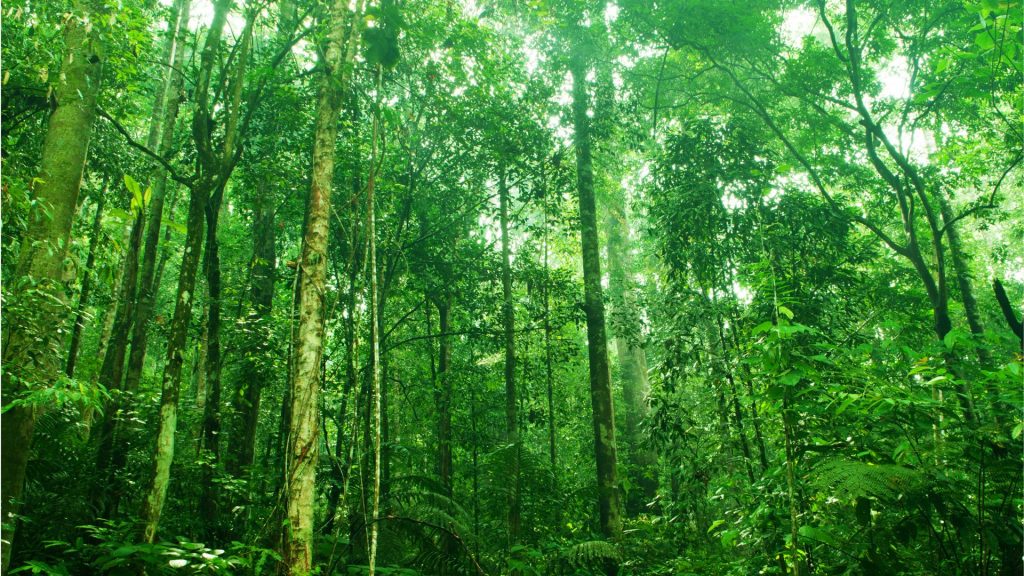
As COP30 opens in Brazil, attention turns once again to the world’s forests – not only as carbon sinks, but as living systems vital for the planet’s health and for sustainable development. According to IPCC author and forest ecology expert Prof. Riccardo Valentini, stopping deforestation is no longer enough – we need a new global paradigm for more sustainable forest management, agriculture, and land use. “Tropical Forests Forever Facility (TFFF) could open a new phase for the green economy, linking forest protection with real economic returns through carbon markets and sustainable business investments,” he says. “But without political will, it risks becoming another empty pledge.”

A forest

COP30 | Manuela Balzarolo: Forests, satellite data, and TFFF on the way to reaching climate goals

“To track progress toward the Paris Agreement and the implementation of effective policies, accurate estimates of carbon sinks and sources are fundamental,” says Manuela Balzarolo, scientific leader of the EU’s flagship carbon cycle project, as she explains why accurate data on the carbon cycle is the key to successful climate negotiations. Initiatives such as the Tropical Forests Forever Facility will require more information on ecosystems and the carbon cycle.