


Francesco Bassetti

Dasgupta_GGA

COP30 | Dasgupta (CMCC): Global Goal on Adaptation, the new frontier of adaptation policies between science and finance

COP30: Adaptation is one of the key themes with part of the negotiations revolving around measuring progress and the role of climate finance in future developments. “The Global Goal on Adaptation (GGA) is meant to serve as a unifying framework to drive political action and finance for adaptation on the same scale as mitigation,” says Shouro Dasgupta, CMCC researcher, member of the scientific support team for the Burkina Faso delegation at COP30, and one of the international experts working under the UAE–Belém work programme to develop and refine indicators that measure progress towards the GGA.
TFFF_Chiriacò_COP30

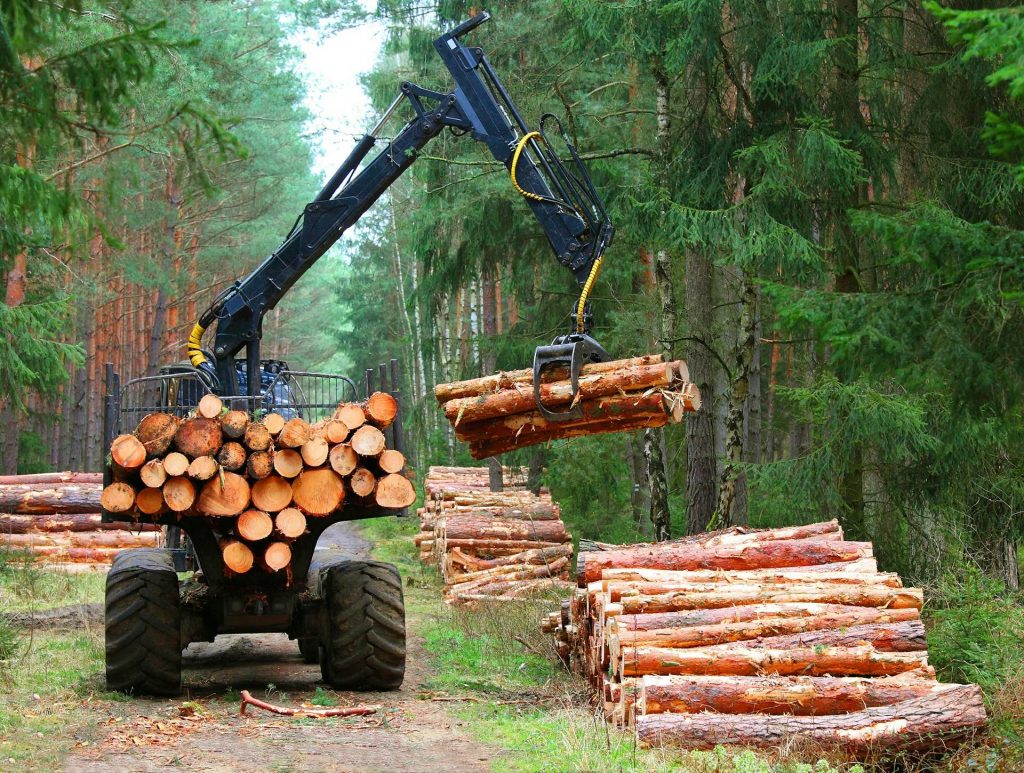
COP30 | Chiriacò (CMCC): Every tree saved is a tree earned, how science is helping protect forests at COP30

“Maintaining forests is the result of genuine effort, investment, and protection capacity,” says Maria Vincenza Chiriacò, CMCC researcher and an expert in COP negotiations on land use and Article 6 of the Paris Agreement, as she emphasises that forests should not be taken for granted: they require organised interventions which need to be addressed at COP30. “Global forests continue to face deforestation and degradation, mainly driven by climate change- and land-use-expanding commodity production. As climate change accelerates, the risk for regions already prone to extreme events such as wildfires increases dramatically. We have to optimize efforts and financial resources, and science holds the key to this process.”

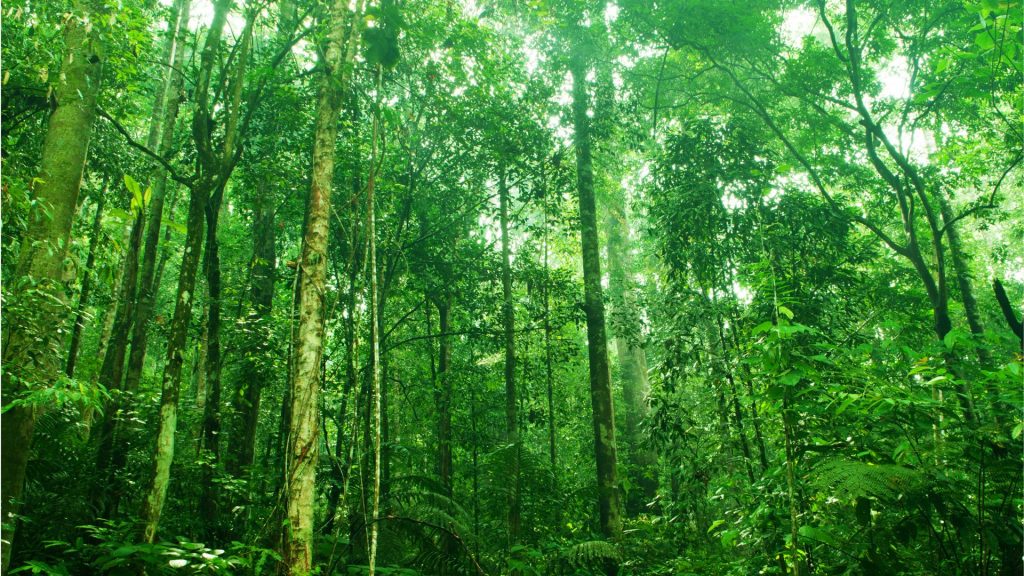
A forest

COP30 | Manuela Balzarolo: Forests, satellite data, and TFFF on the way to reaching climate goals

“To track progress toward the Paris Agreement and the implementation of effective policies, accurate estimates of carbon sinks and sources are fundamental,” says Manuela Balzarolo, scientific leader of the EU’s flagship carbon cycle project, as she explains why accurate data on the carbon cycle is the key to successful climate negotiations. Initiatives such as the Tropical Forests Forever Facility will require more information on ecosystems and the carbon cycle.

Overshoot goal

Climate u-turn? What happens if we exceed 1.5°C and then go back

What will the world look like if we are unable to stay below the 1.5°C threshold? And, assuming we are able to reverse temperature increases, will the world simply return to how it was before? Andy Reisinger’s CMCC Lecture outlines a series of possible future scenarios, highlighting how climate risks will differ between a world that remains above the 1.5°C threshold and one that chooses to bring temperatures back down.

loss and damage

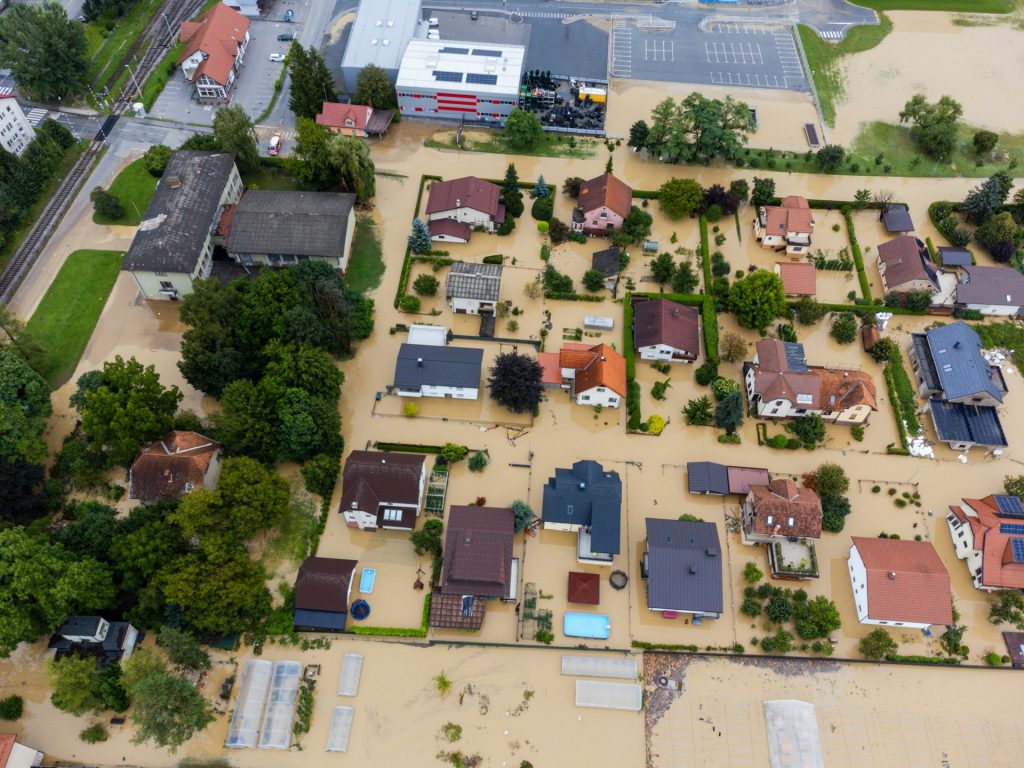
Local knowledge for a global climate issue: Taking loss and damage from negotiations to national realities 

Over the last decade, much of the political action and attention on loss and damage governance has played out in the realm of international climate change negotiations. However, while negotiators debate definitions and funding mechanisms in conference halls, the reality on the ground is that nation states are the “first responders” when it comes to climate impacts and that considerations on loss and damage require a “national turn”.

wildfire

Putting out the blaze: Wildfire risk management begins well before fire season

As of July 2025, almost 300,000 hectares of forest – an area larger than Luxembourg – has gone up in flames in Europe. What is more, the number of wildfire events could increase by 50% globally by the end of the century due to a combination of changes in climate and land use and management. These threats will tend to concentrate in hotspots such as the Mediterranean, where over 80% of European wildfires occur and which experienced upwards of 2.5 billion euros in wildfire related damages in 2022 alone.

The hidden costs of air conditioning in a warming world

Cooling poverty is a growing challenge at the intersection of climate change, social equity, and energy access. As global temperatures continue to rise and extreme heat events become a common feature of everyday life, a new form of energy poverty is emerging – one that affects millions of people worldwide who cannot afford to stay cool during the hottest moments of the summer months.

Sahel

From research to climate solutions: Lessons from the Sahel drought

What are the causes of drought in the American dust belt or the Sahelian savanna? Are local practices to blame or should we be looking at broader climatic factors? Through an exploration of the causes and consequences of the Sahelian drought of the late 20th-century, Professor Alessandra Giannini explores the interplay between local and global factors and how attribution studies can have profound implications for adaptation efforts in the Sahel and beyond.

Risk-resilience-Igor-Linkov

From risk to resilience

Resilience has shifted from being a matter of choice to an imperative. From climate disasters to failing infrastructure, the ability to withstand and recover from shocks is now at the heart of decision-making. Yet, despite its critical importance, there is still no universal definition for resilience and its relationship with risk. Dr Igor Linkov, a distinguished expert in risk prevention and management, walks us through methods for resilience quantification and how these can help transform fragmented approaches to risk management into coordinated strategies.

Rising seas, rising challenges: Informing the future directions of coastal resilience

Sea-level rise will continue to threaten ecosystems and communities in the coming decades. However, the extent and magnitude of this threat is still an open question that researchers are intent on investigating in an effort to provide decision-makers with accurate and timely information. Giulia Galluccio, CMCC director of ATEC, vice-chair of JPI Climate and co-lead author of two chapters of the 1st European Assessment Report on Sea Level Rise, and CMCC researcher Elisa Fiorini Beckhauser walk us through the report, its significance and implications.

COP16

COP16 in Rome: Bridging the biodiversity finance gap

The COP16 on Biological Diversity reconvened at the headquarters of the Food and Agriculture Organisation of the United Nations in Rome between 25 and 27 February, providing a critical juncture for global biodiversity conservation and the role of science in informing international negotiations. “Until we establish governance that treats climate and biodiversity as two sides of the same crisis, we will continue to fail in finding effective solutions,” says CMCC researcher Cristina Cipriano, who participated in the proceedings as coordinator of the European Regional Chapter and the Italian National Chapter of the Global Youth Biodiversity Network.

How climate change is reshaping the insurance landscape

The rising threats posed by extreme weather and climate events are challenging the way insurers approach at-risk areas. From wildfires in California, USA, to flooding in Emilia-Romagna, Italy, coordinated efforts are needed to create innovative insurance solutions. “The future of insurance will depend on solutions that do more than just compensate for damage – they must actively help reduce exposure to risk,” says CMCC researcher Guido Rianna.