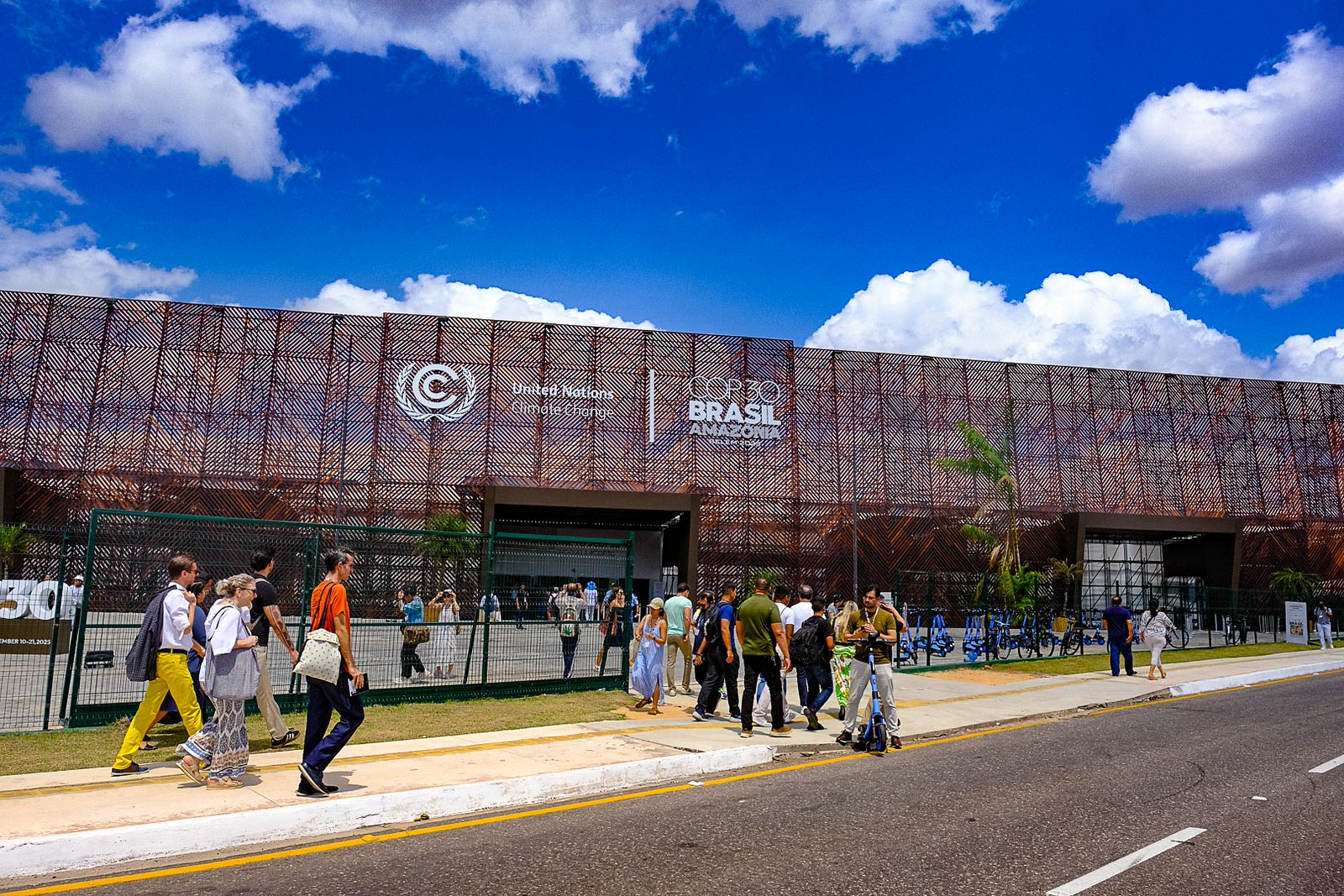





May session of UN climate negotiations closed in Bonn with slow progress on the operational guidelines of the Paris Agreement, due to be finalized and adopted at COP24 in Katowice this December.
The implementation guidelines, also known as the “Paris rulebook”, are the essential step to put the 2015 global climate deal into practice. “The package being negotiated is highly technical and complex. We need to put it in place so that the world can monitor progress on climate action,” said Patricia Espinosa, Executive Secretary of UNFCCC.
During the two weeks of discussions in Bonn several contentious points emerged. The key sticking points reported by media and delegates are the long standing divide between developing and developed countries and the lack of progress on climate finance, with poorer countries asking their wealthier counterparts to provide more guarantee they will honour the promise of at least USD 100 billion a year in climate finance by 2020.
An extra session of preparatory talks on the Paris rulebook has been scheduled in September in Bangkok. The meeting will forward texts and draft decisions for adoption to the annual session of COP24.
In parallel to the formal negotiations, the Bonn meeting hosted the first session of the Talanoa Dialogue led by Fiji. “The Talanoa Dialogue has provided a broad and real picture of where we are and has set a new standard of conversation,” said the President-designate of COP24, Michał Kurtyka of Poland. “Now it is time to move from this preparatory phase of the dialogue to prepare for its political phase, which will take place at COP24,” he added.
All input received by 29 October 2018 will be included in the Talanoa Dialogue’s second, more political phase at COP24.
Among results achieved at the Bonn talks, there was the adoption of a roadmap for the next two and a half years on the “Koronivia Joint Work on Agriculture”, a landmark initiative of COP23 for the agriculture negotiations under the climate convention which emphasizes the key role of agriculture and food security in the international climate change agenda.
Read more:
UNFCCC press release on the Bonn talks closing.
BBC article, UN climate stalemate sees extra week of talks added.