


Biodiversity and Climate

Discussions about climate must go hand in hand with discussions about the environment and hence biodiversity. This not only means looking at how to ensure biodiversity is maintained and promoted but also how nature itself can be a vital instrument in climate proofing the planet. Biodiversity is the core of COP15 in Montreal and was one of the main topics at COP27 in Egypt. A list of resources to better understand the climate-biodiversity nexus.

Addressing the nexus between biodiversity and climate change is about discussions on nature and nature based solutions. From ecosystem-based approaches to green infrastructure and urban greening, biodiversity holds the key to solving a wide range of climate-related issues. However, understanding the meaning behind umbrella terms such as nature based solutions is only the first step.

With one in four species currently under threat of extinction, part of the solution involves understanding which species are better equipped to adapt, and hence survive, so as to improve conservation efforts and policy choices.

Biodiversity has an intrinsic value in and of itself and part of that is tapping into the potential of natural capital, which at its core involves challenging our understanding of the relationship between economy, society, and the environment

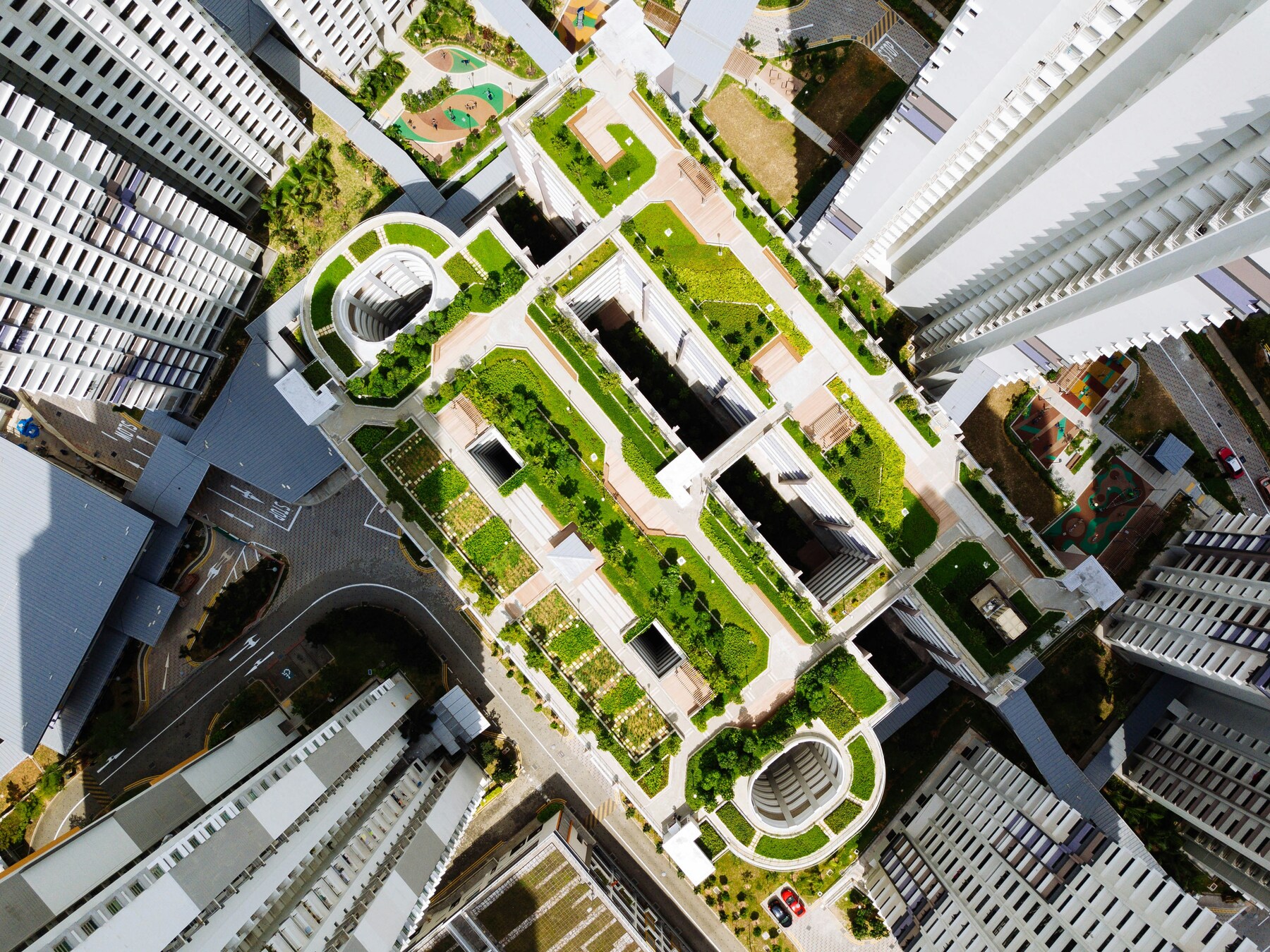
Yet biodiversity is not just about jungles and pristine nature. It’s also about how we integrate nature into our cities and how we include biodiversity concerns into our agricultural industry, with concepts such as agrobiodiversity. Cities and societies of the future will require this. 

Programs that advance understanding of the links between species and community traits, ecological functions and ecosystem services – both on land and at sea – and how they are impacted by climate change are crucial and will require precise data and effective ecosystem management and monitoring.

Biodiversity is part of the solution. 
Share

Article

Over 1 Million Species Threatened With Extinction

In an unusually alarming tone, a new UN report reveals that nature’s decline has reached “unprecedented” levels, with species extinction rates increasing and global responses remaining insufficient. The erosion of the environment and its wellbeing is the most damming assessment yet of man’s impact on Planet Earth and reiterates the need for transformative change to restore and protect nature.

Rotterdam aerial view
Article

The urban divide: unequal distribution of heat-related risks on city dwellers

Climate change and global warming affect humans, nature and the environment at a global scale. However, their impacts are often not equally and uniformly distributed. People living in Urban Heat Islands are more likely to experience higher levels of heat-related risks for their health, often enhancing existing social inequalities.

Article

Navigating the European response to climate disinformation

The European Digital Media Observatory (EDMO) serves as a hub for fact-checking by focusing on the analysis of disinformation, including recent climate disinformation narratives, to support European regulation policies. Paula Gori, Secretary-General and Coordinator at EDMO, and Tommaso Canetta, Coordinator of EDMO’s fact-checking activities, present the network’s initiatives in monitoring and addressing climate disinformation.