Carbon taxes do not harm jobs or economic growth
Results from two recent analyses suggest that implementing carbon taxes has no discernible detrimental effects on employment and GDP growth.







Results from two recent analyses suggest that implementing carbon taxes has no discernible detrimental effects on employment and GDP growth.
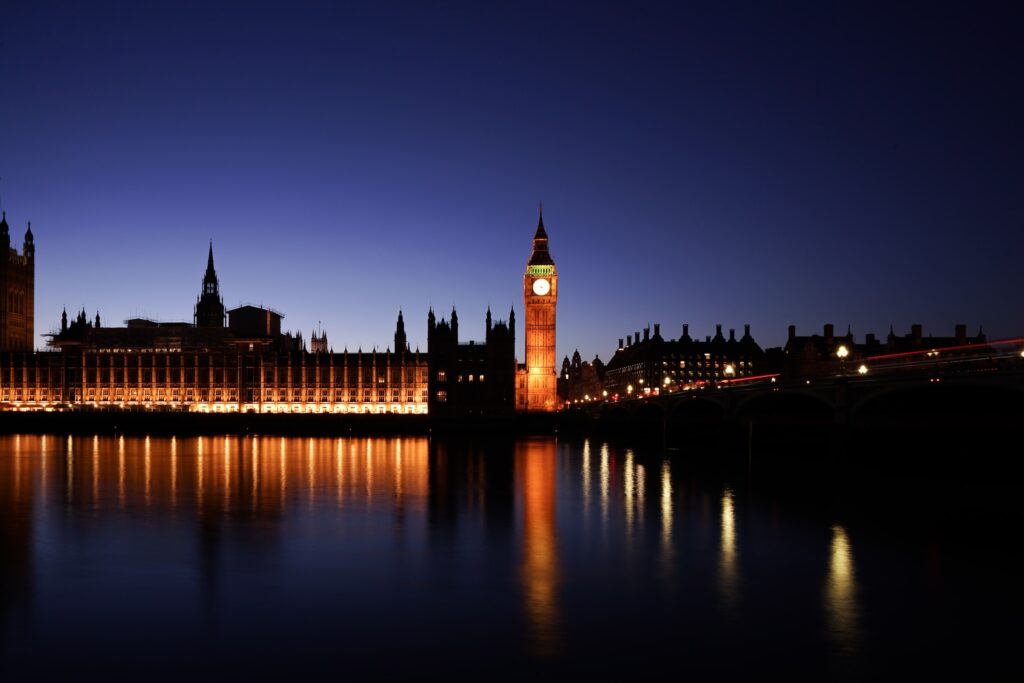
“Green and growth can go hand-in-hand.” These are the words of the UK’s Prime Minister Boris Johnson, who recently rolled out his ten-point plan for a greener Britain. Wind turbines, technological advancement and moving on from fossil fuels form the backbone of his plan. How will this be achieved? Will it be enough to meet the island nation’s commitment to net zero emissions by 2050?

More than 600 million people at risk. Strategies and solutions require close collaboration between policy-makers and scientists working together to focus on both the local scale and the broader picture. With some key concepts at the core of their collaboration such as multi-risk, cross-sectoral approach and systemic vision. Not to mention the paradox of “maladaptation”.

After China, it is now the turn of Japan and South Korea: are we on the brink of a domino effect?
The newly appointed Prime Minister, Yoshihide Suga, used his first Diet policy speech to promise net zero emissions by 2050. Reaching this goal will require fundamental changes and reveals a welcome shift in Japanese climate ambition. A move that was soon echoed by President Moon Jae-in who also formally committed to lead South Korea to net zero emissions by 2050.

In late September China announced its intention to become carbon neutral by 2060. This came as welcome news, particularly in light of the new stimulus measures for Covid recovery being deployed. However, even if China manages to abide by its commitments what will this mean for global climate objectives? Is it too little too late?

Air pollution causes premature deaths from cardiovascular and respiratory diseases and Covid induced lockdowns have provided a unique opportunity to study air quality, with some surprising results: “We were struck by the fact that air quality wasn’t as good as we were anticipating. On some days in Lombardy it was even above the EU required level for safety”, explains Valentina Bosetti, senior scientist at the RFF-CMCC European Institute on Economics and the Environment.
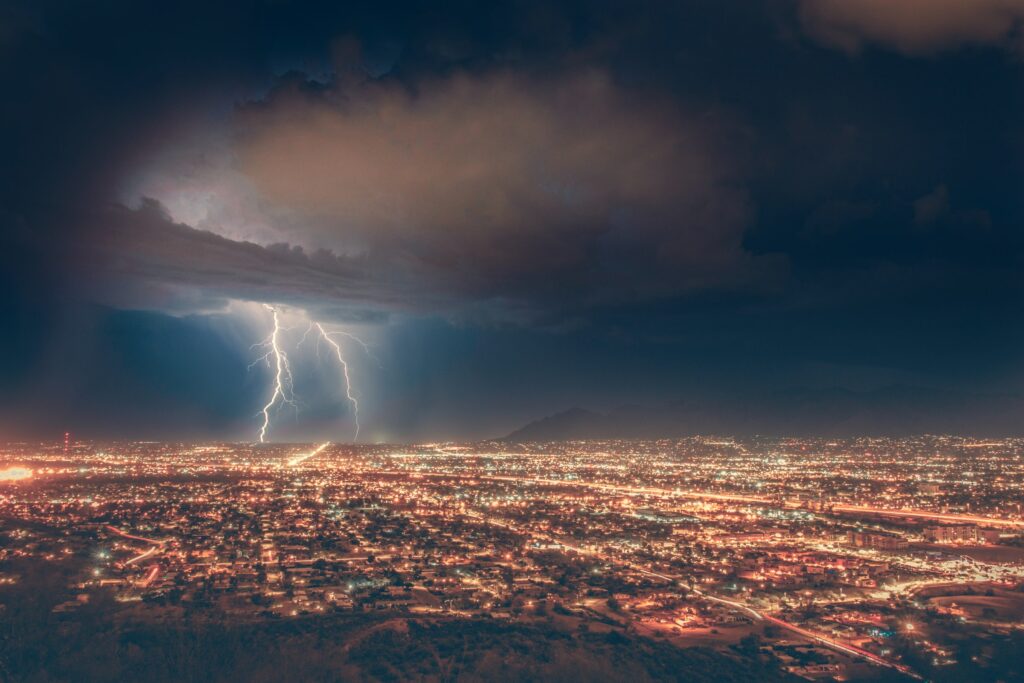
Climate change leads to an increase in extreme weather events and now scientists are working on ways to predict and prepare for them. New research on megastorms provides tools for forecasting their direction and intensity, thus helping communities better prepare for when they hit.
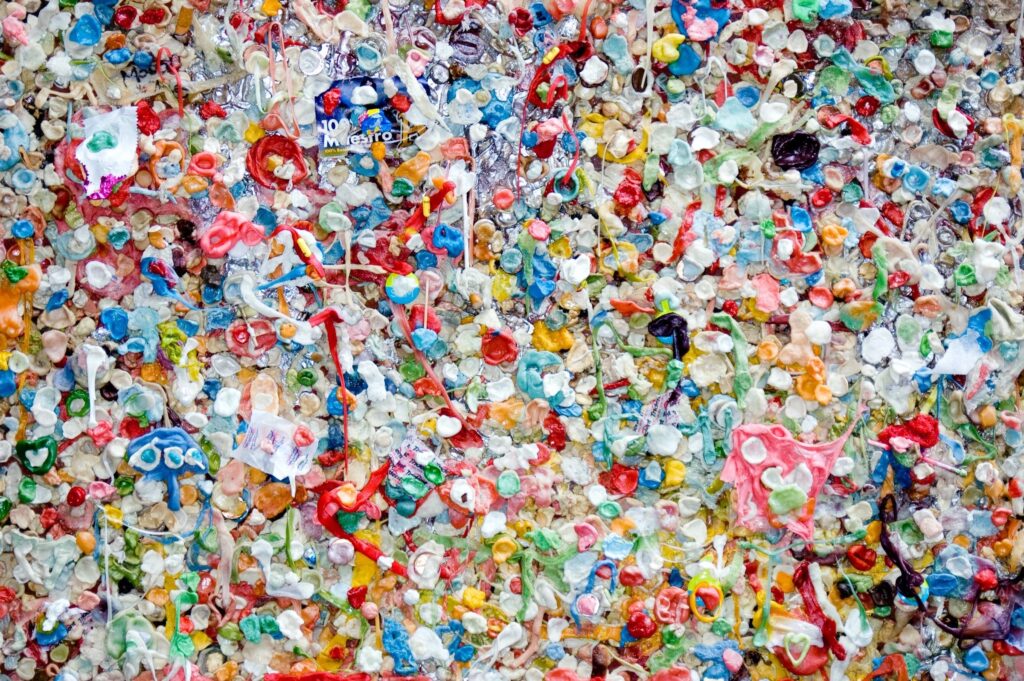
Major players in the oil industry predict that the demand for plastics will continue to grow exponentially in the coming decades, therefore allocating over 400 billion USD in new investments for petrochemical plants and equipment. However, legislation that aims to regulate plastic use and waste could jeopardise these plans and research indicates that the production of plastics may peak by 2027. The future of plastics has never been so uncertain.
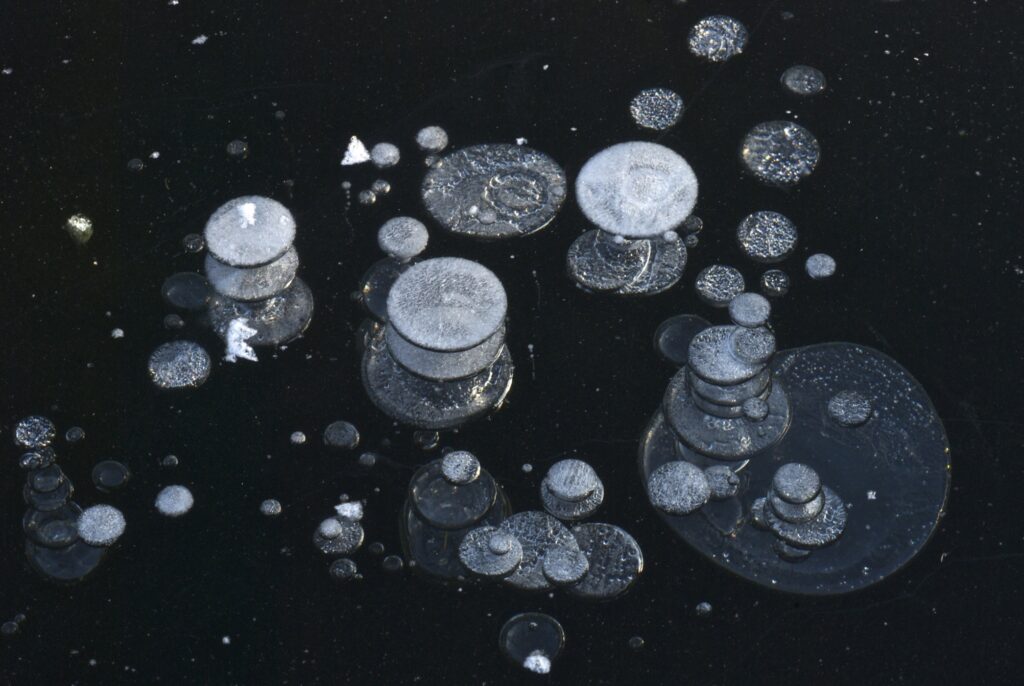
From thawing permafrost to belching cows, methane is a harmful greenhouse gas that has a significant impact on climate change. Although the bulk of mitigation strategies focus on carbon dioxide, methane also requires direct mitigation measures, a better understanding of how much it impacts our climate, and what sectors are emitting the most. A hot topic for researchers and policymakers alike.
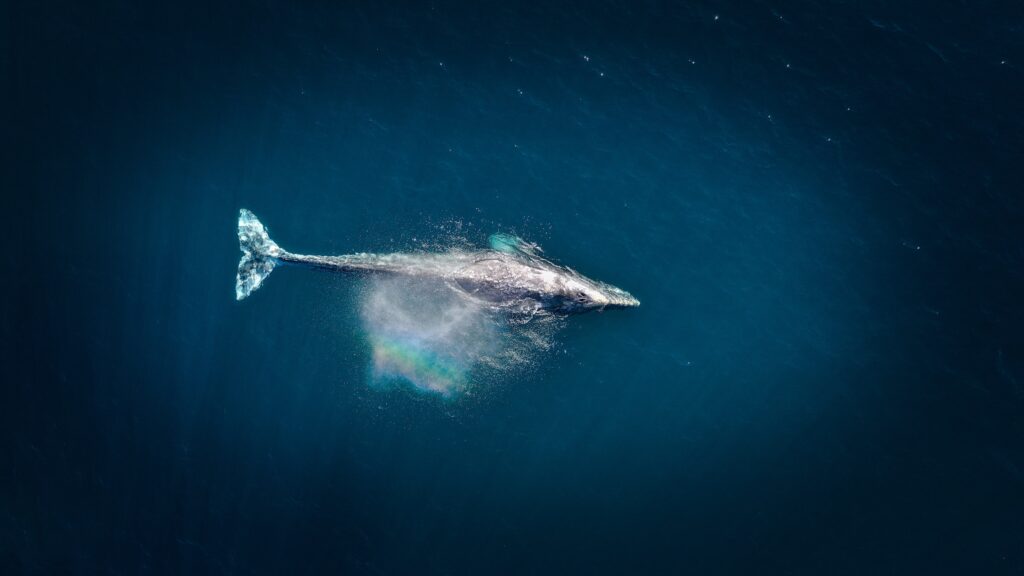
Whales are a key component in ensuring planetary equilibrium. One of their least appreciated contributions is their positive impact on carbon sequestration. Protecting whales not only helps reach climate objectives but can also shed new light on the value of nature based solutions.
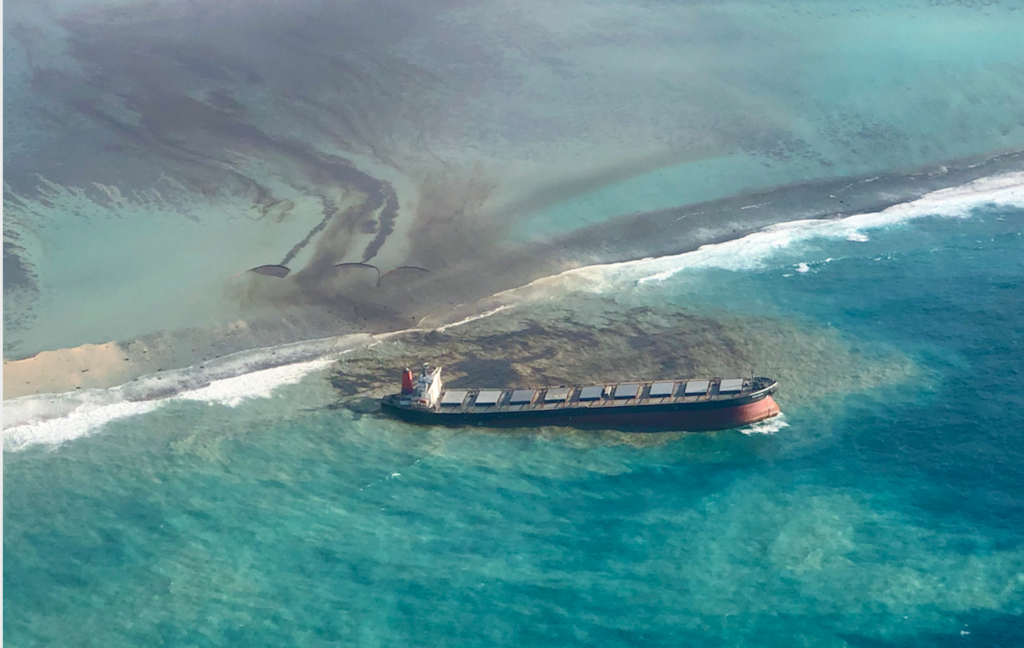
From Beirut, Lebanon, to Mauritius the sea is crossed by ships carrying materials that, if released into the ocean, are a menace for human beings and the marine environment. Satellites, data, and advanced modelling can help deal with these potential disasters. Scientific research and innovation are critical to predicting the movement and pervasiveness of oil spills and can direct cleanup efforts in a timely manner.
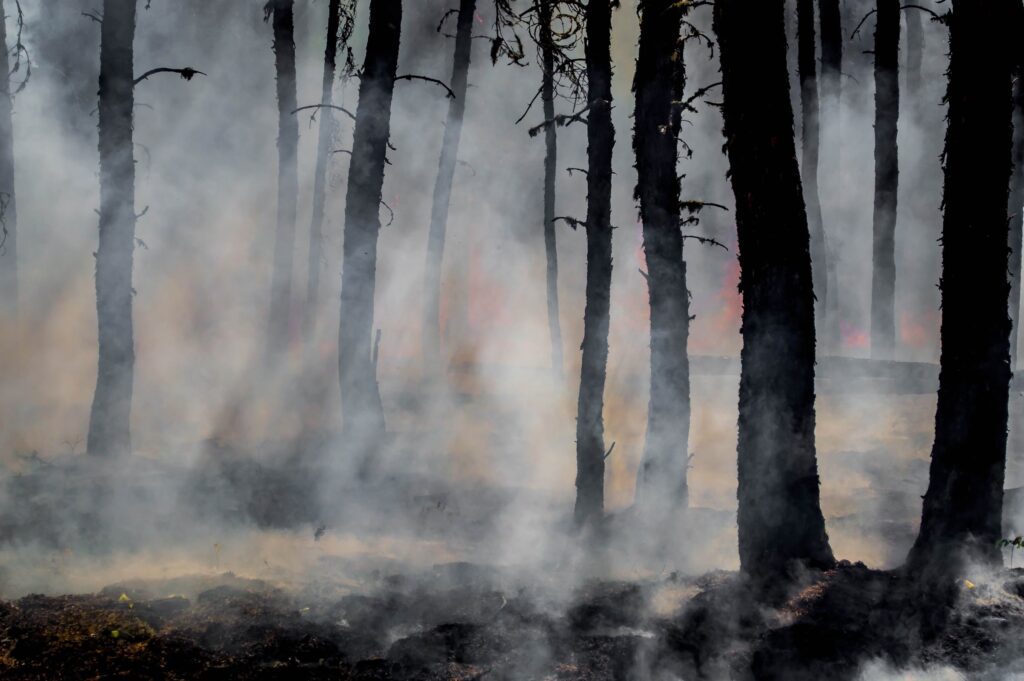
It’s not only about ice melting and rising temperatures. It’s also about a region that is being transformed dramatically by climate change. The way the Arctic is evolving comes with consequences for the environment, biosphere, international relations, and geopolitical balance. Scientists indicate that the recent heatwave in Siberia would have been virtually impossible without anthropogenic climate change. But how are these conclusions drawn, and how accurate is it to make these claims?